
I didn’t set out to create an “organic desert bedroom.” I just knew I was tired.
This post contains affiliate links. That means I may earn a small commission if you purchase through my links—at no extra cost to you.
Tired of overly white bedrooms that felt sterile, tired of trendy decor that looked good in photos but felt flat in real life and tired of synthetic bedding that made me overheat.
I wanted my bedroom to feel grounded,warm, quiet. Like stepping into desert air at sunset.
But the thing was that I also rent. So everything had to be renter-safe. Sustainable where possible. And realistic.
This is what I’ve learned from actually building an organic desert bedroom piece by piece testing materials, swapping things out, learning the hard way, and finally getting it right.
No fluff. Just what worked.
Table of Contents
- What Is an Organic Desert Bedroom (And Why It Feels So Calm)
- The Core Elements That Make a Desert Bedroom Feel Organic
- Best Organic Desert Bedroom Furniture Brands (Sustainable & Non-Toxic Options)
- Where to Buy Organic Cotton Bedding for a Desert-Inspired Bedroom
- Eco-Friendly Paint Colors Inspired by Desert Landscapes
- Organic Mattress Options That Align With a Desert Aesthetic
- Natural Fiber Curtains That Keep the Room Light and Airy
- Desert Bedroom Lighting That Feels Warm, Not Harsh
- Organic Desert Bedroom Plants That Actually Thrive in Dry Spaces
- Sustainable Flooring Options for a Desert-Inspired Bedroom
- How I Designed My Organic Desert Bedroom on a Budget
- How to Maintain an Organic Desert Bedroom Long-Term
- Mistakes People Make When Creating a Desert Bedroom
- Final Thoughts: Why This Style Feels Different
What Is an Organic Desert Bedroom (And Why It Feels So Calm)

An organic desert bedroom isn’t just “boho with beige.” It’s intentional.
To me, it blends:
- Desert-inspired bedroom decor (warm clay tones, sand, muted greens)
- Organic modern bedroom structure (clean lines, not cluttered)
- Sustainable bedroom decor choices (natural materials, low-tox finishes)
The reason it feels calm isn’t magic, but It’s sensory. Desert landscapes are: muted, textured, open and sun-warmed
When you bring that into a bedroom, your nervous system responds differently. There’s less visual noise.
Fewer sharp contrasts and more warmth.
And here’s something I didn’t expect: natural materials actually change how a room sounds. Linen absorbs sound differently than polyester. Wood reflects differently than laminate.
The room feels quieter, and that surprised me.
An organic desert bedroom works because it’s earthy without being heavy. Minimal without being cold.
The Core Elements That Make a Desert Bedroom Feel Organic

I tried a lot of things before I understood this. It’s not about buying “desert decor.”
It’s about layers.
1. Natural Materials (Real Ones Matter)
When I first started, I bought things that looked natural, think faux wood veneer, polyester “linen look” bedding.
It wasn’t the same. What changed everything for me was the solid wood (even thrifted and slightly imperfect), actual linen or cotton, and ceramic instead of plastic.
Natural fiber bedding alone shifted the entire feel of my room. It wrinkles, it breathes and it moves.
That imperfection is part of desert minimalist bedroom style.
2. Earth Pigments (But Not Just Beige)
The biggest mistake I made early on? Too much beige.
Desert landscapes aren’t monotone, they have: terracotta, clay rose, muted sage, dusty taupe and warm sand
I added terracotta bedroom decor through small pieces first, like a throw pillow, a clay lamp, a piece of art.
Suddenly the room felt alive.
3. Texture Layering (This Is the Secret)
If you remember nothing else, remember this, organic desert design is about texture more than color.
Here’s how I layer mine: flat cotton sheets, light linen duvet, chunky knit throw, woven jute rug, a smooth ceramic lamp.
I learned that contrast is key.
Smooth + rough
Soft + structured
Matte + slightly glazed
Without texture, earth tone bedroom ideas fall flat.
4. Sustainable Sourcing (Without Being Extreme)
I didn’t overhaul everything, and that’s expensive and wasteful. Instead, I replaced things slowly.
When I needed a nightstand, I looked for solid wood secondhand. When I replaced bedding, I chose GOTS-certified organic cotton.
Small shifts matter. Eco-friendly bedroom design isn’t about perfection. It’s about better decisions over time.
5. Airflow & Light
Desert bedrooms need breathing room. Heavy blackout curtains killed the vibe in my first attempt.
Switching to light-filtering linen panels made the room feel open. Air + warmth + softness = calm.
Unexpected Tip: Mineral & Clay Finishes
I started to experiment with a DIY limewash accent wall.
Not perfect. Slightly streaky. But that subtle movement in the wall surface made the entire room feel organic.
Flat paint feels manufactured and mineral finishes feel alive.
Even a clay-toned textured art piece can add that effect if painting isn’t an option.
Best Organic Desert Bedroom Furniture Brands (Sustainable & Non-Toxic Options)

I’m not brand-obsessed, but I care about materials now. When I look at furniture for my organic modern bedroom, I check the following:
FSC-certified wood
Low-VOC finishes
Solid wood construction
Minimal MDF
Affordable brands I’ve had decent luck with: IKEA solid wood lines (not everything, but some pieces are solid pine and easy to modify). Article for mid-range solid wood frames, and local woodworkers on Etsy for smaller pieces
Here’s what I’ve learned: solid wood ages better, it scratches, yes, but scratches in desert design feel natural.
Peeling veneer feels sad. Also, open-grain wood looks more organic than super glossy finishes.
If it looks like it belongs in a desert cabin, you’re on the right track.
Where to Buy Organic Cotton Bedding for a Desert-Inspired Bedroom

This was the biggest upgrade in my entire room. Natural fiber bedding changes sleep quality.
I use organic cotton percale in summer (cool, crisp) and linen blend in cooler months (breathable but textured).
Percale vs linen: percale feels lighter and smoother, while linen feels rumpled and earthy.
Both work in a desert bedroom, look for: GOTS certification, OEKO-TEX certification and clear material percentages.
Avoid vague terms like “natural blend”, that usually means mostly synthetic.
Brands I’ve personally tried:
Coyuchi (higher end, beautiful quality)
Quince (more affordable organic options)
Pact (great basics)
But honestly? Even one high-quality organic sheet set makes a difference. Your skin touches it every night and that matters the most.
Eco-Friendly Paint Colors Inspired by Desert Landscapes

Paint changed everything for me, here are shades that worked:
Terracotta
Warm. Grounded. Cozy. I used it as an accent behind the bed. It makes white bedding glow.
Sand Beige
Soft, warm neutral. Better than gray. Gray feels cold next to desert tones.
Clay Rose
Subtle pink undertone. Makes skin look good in morning light. It feels alive without being loud.
Muted Sage
Not bright green, but dusty sage. Pairs beautifully with terracotta.
Warm Taupe
Great if you want neutral but not flat. Psychologically, warm colors feel safe.
Cool colors feel distant. For a bedroom, warmth wins. Low-VOC paint matters, you sleep in there.
Organic Mattress Options That Align With a Desert Aesthetic

I didn’t realize how much a mattress affects the “organic” feeling of a room until I replaced mine.
My old one was memory foam, and it trapped heat, it smelled synthetic for months, it felt… sealed.
In a desert minimalist bedroom, breathability matters. Here’s what I learned:
Natural Latex Feels Cooler and More Responsive
Natural latex mattresses (not synthetic latex blends) are breathable and supportive. They don’t sink the way memory foam does, and the bed feels lighter, not swampy.
If a full natural latex mattress isn’t in budget, even a natural latex topper makes a noticeable difference.
I tried a 2-inch natural latex topper from Amazon (just make sure it’s certified natural, not “latex blend”), and it completely changed how cool the bed felt in summer.
Wool Blends Help With Temperature Regulation
Wool isn’t just for winter, it regulates temperature surprisingly well and some organic mattresses use wool layers instead of chemical flame retardants.
That’s something I look for now, avoiding unnecessary synthetic fire barriers when possible.
Certifications Matter (But Don’t Overthink It)
Look for:
GOTS
OEKO-TEX
CertiPUR (for foam components)
Not every product will have every certification, but transparency is a good sign. Sleep quality is part of eco-friendly bedroom design, if the bed traps heat and smells like chemicals, the aesthetic won’t matter
Natural Fiber Curtains That Keep the Room Light and Airy

This was one of the biggest mood shifts in my organic desert bedroom. I originally had blackout polyester curtains.
They were practical, but they felt heavy. Switching to linen-blend curtains completely changed the energy.
Light filtered in softly, the room felt breathable, here’s what I’ve learned:
Linen vs Cotton
Linen hangs with more texture and movement, while cotton is softer and slightly more structured.
Both work. Just avoid shiny synthetic blends if you’re going for desert-inspired bedroom decor.
If privacy is an issue, layer: sheer linen panel, plus a hidden blackout roller shade behind it, that way you get softness during the day and darkness at night.
I found simple linen-blend panels on Amazon that weren’t crazy expensive just look for real fabric content percentages in the description.
Desert Bedroom Lighting That Feels Warm, Not Harsh

Lighting can make or break an organic modern bedroom, overhead lighting alone feels flat.
Here’s my rule, no cool white bulbs, ever, I stick to 2700K warm LED bulbs, that’s the soft golden tone and it instantly makes terracotta bedroom decor look richer.
Layered Lighting Strategy
Instead of one bright ceiling light try bedside lamps, a small table lamp or maybe a floor lamp in the corner.
Ceramic bases, clay textures, rattan shades these materials diffuse light beautifully.
I added a small ceramic lamp with a linen shade from Amazon (nothing fancy), and it became my favorite evening light source.
At night, I turn off overhead lights completely. Only lamps and the room feels like sunset, which is exactly what desert energy should feel like.
Organic Desert Bedroom Plants That Actually Thrive in Dry Spaces

I killed plants before I figured this out. Desert-inspired doesn’t mean you need 12 cacti.
Here’s what actually worked for me:
Snake Plant. Nearly impossible to kill, handles dry air and looks sculptural.
Aloe, fits the desert vibe perfectly, just don’t overwater it.
Olive Tree (If You Have Light), mine is small and sits near a window, it instantly elevates the space.
Dried Palm Leaves or Branches, if you’re not good with live plants, dried options work beautifully. They add height and movement.
Key tip: Group plants in odd numbers, as it looks more natural. Also don’t scatter tiny plants everywhere. One strong plant makes more impact than five random ones.
Sustainable Flooring Options for a Desert-Inspired Bedroom

Since I rent, I can’t replace flooring, but here’s what I’ve learned.
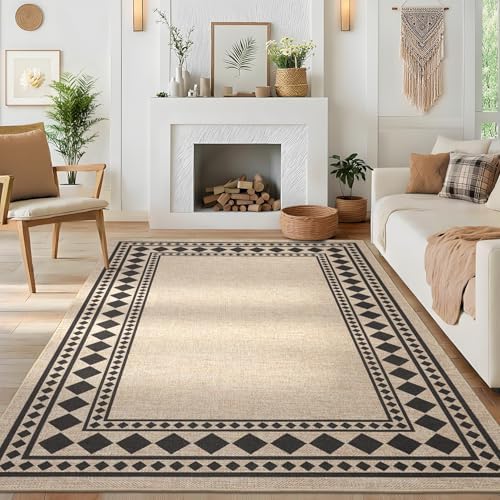
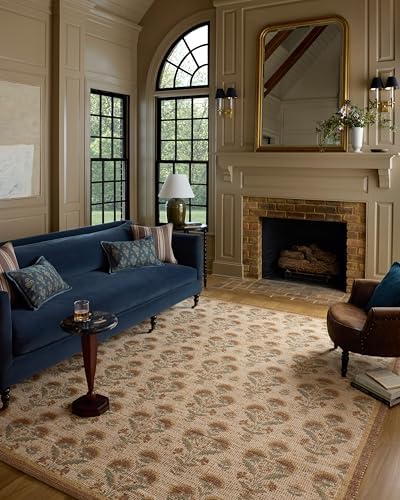
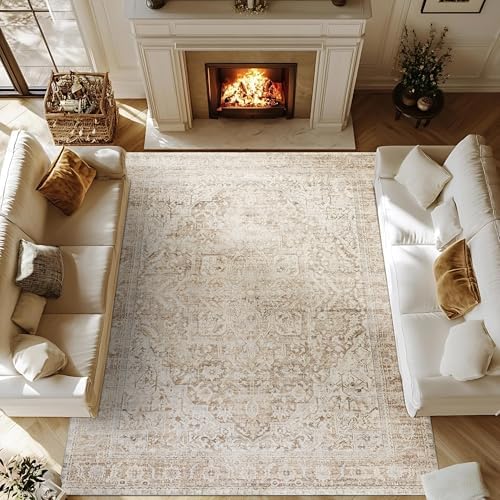
Jute Rugs. They have natural fiber and they are also textured. Perfect for earth tone bedroom ideas.
They hide dust better than flat rugs and they add warmth without heaviness.
I layered a large jute rug under the bed and then added a smaller neutral cotton rug on top near the foot. Layering makes it feel intentional. You can also check a few great options below.
Cork and Bamboo (If You Own)
If you’re designing long-term, cork flooring is incredible, it has soft underfoot and a naturally warm toned.
Budget alternative for renters? Large neutral area rugs. They define the space without permanent changes.

How I Designed My Organic Desert Bedroom on a Budget

This part matters most, because I didn’t redo everything at once. Here’s exactly what I did.
DIY Limewash Accent Wall, I mixed hydrated lime powder with pigment and water, I tested small patches first, it’s imperfect, but that softness changed everything.
If that feels intimidating, there are premixed limewash paints now (Romabio makes one, and some Amazon brands carry smaller options).
Thrifted Wood Nightstands I found solid wood nightstands for $40 total, they were orange.I sanded lightly and sealed with a matte finish, and now they look custom.
Clay Pottery Finds Local flea market, found a handmade ceramic vase for $12.That one piece elevated the room more than expensive decor ever did.
Layering Neutrals Instead of Replacing Furniture
Instead of buying a new bed frame, I softened the existing one with: neutral bedding, textured throw, earth-toned pillows
You don’t need to replace everything, layering changes perception.
How to Maintain an Organic Desert Bedroom Long-Term

Dust shows up more in neutral spaces, so here’s my simple routine. Weekly light dusting with microfiber cloth, then I vacuum my jute rug regularly. I air out bedding often and wash linen gently, hang dry when possible
Natural wood needs occasional oiling if unfinished, but don’t over-polish.
Matte finishes feel more organic. Also avoid overcrowding surfaces over time. Desert design works because it breathes.
Mistakes People Make When Creating a Desert Bedroom

I made most of these.
Too Much Beige, and it becomes flat. Add contrast through clay, wood, muted greens.
Ignoring Texture
Flat cotton + flat paint + flat rug = boring, and layer materials a bunch of materials, this din’t helped either.
Buying Fake “Boho” Pieces, they mass-produced fringe overload kills authenticity.
Choose fewer, better pieces.
Over-Cluttering With Cactus Decor
You don’t need cactus print sheets, cactus art, cactus lamps, just one subtle reference is enough.
Final Thoughts: Why This Style Feels Different

An organic desert bedroom isn’t loud. It’s quiet confidence, it’s materials that age well, it’s breathable fabrics, it’s warm light at night.
It’s fewer things, better chosen.You don’t need to gut renovate and you don’t need to spend thousands. You just need intention.
And honestly? Waking up in a room that feels grounded instead of chaotic changes your mood more than I expected.