
This post may contain affiliate links. If you purchase through these links, I may earn a small commission at no extra cost to you.
I’ll start with the honest truth, my pantry didn’t get organized because I suddenly became disciplined or minimalist.
It got organized because I got tired of wasting food, rebuying things I already had, and feeling quietly stressed every time I opened the door, and to be comlety honest, it was mostly a financial decision based on the curent economic situation.
I heard from a friend about the pretty systems, so I try this first, The matching containers. The labels. The “decant everything” approach. It looked great for about two weeks or so, then life happened. Groceries came in fast, while snacks got shoved wherever there was space, and of course things expired quietly in the back.
What finally worked wasn’t more effort it was better systems that matched how I actually live.
This guide is everything I wish someone had told me before I spent money and time on pantry organization that didn’t last.
- Food Pantry Organization: Why Most Systems Fail (And How to Fix That)
- Food Pantry Organization for Small Kitchens (Real Solutions, Not Pinterest Fantasy)
- Best Storage Containers for Food Pantry Organization
- Food Pantry Shelving Ideas That Maximize Space
- How to Organize a Pantry by Food Category & Expiration Date
- Food Pantry Storage Bins, Baskets & Labels — What Actually Helps
- Budget-Friendly Food Pantry Organization (That Doesn’t Look Cheap)
- Smart Food Pantry Organization Hacks Most People Don’t Use
- ADHD Pantry Organization Hacks That Reduce Overwhelm (The Ones That Actually Changed My Day-to-Day)
- FAQs About Food Pantry Organization
- Final Thoughts: Calm Comes From Systems, Not Perfection
Food Pantry Organization: Why Most Systems Fail (And How to Fix That)

From my own experience but also from what I notice around me most pantry systems fail for one simple reason: they’re designed to look good, not to be lived with.
Pretty pantries assume you’ll decant everything immediately, maintain perfect spacing, and remember where every item belongs and that works fine if your life is slow and predictable. Most of ours aren’t.
What I learned the hard way is that styling is not the same thing as a system. Styling is how something looks once. A system is how it behaves over time, especially on busy weeks.
The biggest shift for me was understanding the difference between reset and maintenance. Reset systems require frequent overhauls. Maintenance systems quietly stay functional even when you’re tired, rushed, or distracted.
And once I started organizing around how often I shop, how fast we eat things, and where clutter naturally forms, everything got easier. The pantry stopped needing constant fixing, for me that’s the real goal.
Food Pantry Organization for Small Kitchens (Real Solutions, Not Pinterest Fantasy)

Small kitchens are where most pantry advice completely falls apart. I’ve lived in apartments where the “pantry” was one narrow cabinet and a prayer, so everything I saw on Pinterest or read about didn’t helped much.
But still I needed a solution, no matter what, and what helped most wasn’t downsizing food it was using vertical space intentionally. For my pantry short shelves were a waste of time, instead tall, adjustable shelves let you stack food in layers that actually make sense.
Door organizers became a lifesaver for me, not the flimsy kind that sag, but slim, shallow racks for spices, snacks, or baking supplies. They turn dead space into usable storage without touching the main shelves.
Shallow shelving matters more than people realize. Deep shelves encourage hiding. Shallow shelves force visibility. If you can’t pull shelves forward, bins that limit depth do the same job.
Of course if you are renting things are even more complicated for you, but that doesn’t mean solutions don’t exist.
For renters, tension rods, stackable risers, and freestanding shelving units were game changers. No drilling. No damage. Just structure where there wasn’t any.
Awkward layouts don’t need perfection, they need containment. If a cabinet is oddly shaped, give it a specific job instead of trying to make it universal. I saw first hand that if your pantry is small, the problem isn’t lack of effort it’s wasted vertical space.
Over-the-Door Organizers (The Quiet MVP)
Now, this was one of the best changes I made, because a sturdy, adjustable over-the-door organizer gave me:
- Extra storage without drilling
- Easy access to spices, snacks, and packets
- A way to free up shelves for bulky items
What matters is that metal frame, adjustable shelves, and hooks that don’t wobble
Shelf Risers (Only If They’re Stable)
I used to have some issues with shelf risers they can double usable space or become annoying.
They’re worth it when:
- They have non-slip feet
- They’re wide enough for full cans or containers
- They don’t flex under weight
They’re not worth it if they shift every time you grab something.
What I Actually Bought (And Still Use
This is the part I always look for in other people’s posts, so I’m also including it here. This isn’t a shopping list. It’s just what survived real use, for me at least.
- Rectangular airtight containers for flour, rice, sugar, and pasta
- Two slim cereal containers (not a full set)
- One large locking container for bulk grains
- Four shallow clear bins for snacks and baking supplies
- One over-the-door organizer for packets and small items
- Handwritten labels on removable tags — nothing permanent
That’s it, no full container wall, no color-coded system, no constant resetting. And most importantly: it still works months later.
Best Storage Containers for Food Pantry Organization

I wasted more money than I want to admit on pantry containers that looked great for about two weeks and then quietly made my life harder, I discovered that lids didn’t seal and shapes didn’t stack. Sizes didn’t match how we actually eat.
Here’s what finally stuck, and I want to really highlight that this worked for me, that doesn’t mean it works for everyone and not because it looked pretty, but because it stayed functional six months later.
Airtight Stackable Dry Food Containers (The Real Workhorses)
These are the containers that actually changed how my pantry functions.
I stopped thinking in terms of “sets” and started thinking in footprint + seal quality.
Rectangular containers with flat sides matter more than brand names.
What actually works in real life:
- Silicone gasket lids that snap firmly (not twist)
- Straight sides so nothing gets lost in corners
- Sizes that hold one full bag of rice, flour, or sugar — not half
I love them and use them everyday for things like rice, flour, oats, pasta, and baking staples. Once food is decanted, I can see what we’re running low on without pulling everything out.
Why this works long-term:
No half-open bags. No mystery spills. No guessing how much is left.
What to skip:
Containers with rounded corners, flimsy flip lids, or “aesthetic” shapes that waste shelf space.
Slim Cereal Containers (Only If You’re Short on Space)
I avoided for many years cereal containers, that’s because they felt unnecessary until I realized cereal boxes were eating half a shelf.
Slim, vertical cereal containers solved one very specific problem: visual chaos. They work best when:
- Your shelves aren’t deep
- You want boxes gone but still want quick access
- You eat cereal often enough to rotate stock
I need to clarify something, these only work if they’re truly airtight. Otherwise cereal goes stale fast.
When they’re not worth it: If you buy one box at a time or don’t mind folding bags shut.
Large Bulk Containers for Rice, Flour & Costco Purchases. If you buy in bulk, small containers will fail you.
I learned the hard way that splitting one giant bag into multiple small containers just creates clutter. One large, locking container is easier to manage and easier to clean.
What matters here:
- Locking side latches
- Thick plastic walls (thin ones warp)
- A scoop that actually fits inside
These live on my bottom shelf. They’re not cute they’re practical.
Moisture- & Insect-Resistant Containers (Peace of Mind Category)
I added these after a single pantry bug incident, and I will never go back.
For flour, sugar, pet food, or grains I use the following:
- Tight gasket seal
- No vents or decorative holes
- Easy-to-wipe interior
And, this isn’t about fear it’s about not dealing with a mess later.
Food Pantry Shelving Ideas That Maximize Space

Shelving mattered more than containers for me, and I learned that later than I should have.
Adjustable shelves let your pantry evolve. Fixed shelves lock you into one setup, even when your habits change.
Modular shelving systems worked better than built-ins in every apartment I lived in. They’re easier to adapt and don’t punish you for reorganizing.
Freestanding shelving units are underrated. In small kitchens, a slim shelf can become a pantry extension without touching cabinets.
What surprised me most was realizing that better shelves reduced the number of containers I needed. When items are visible and reachable, they don’t need elaborate housing.
If you’re choosing between buying shelves or containers, choose shelves first.
How to Organize a Pantry by Food Category & Expiration Date

This is where my pantry stopped being chaotic. I stopped organizing by “type of container” and started organizing by how food flows in and out.
Zone-based organization changed everything. Snacks in one area. Baking in another. Canned goods together. Breakfast items grouped.
I use a loose FIFO system menaing first in, first out by placing newer items behind older ones, I don’t use spreadsheets. I just used physical logic.
Expiration tracking doesn’t need apps. For me, a marker date on containers or a small sticky note on shelves was enough.
Visual cues work better than memory. If something is running low, I keep the container turned sideways. It’s a quiet reminder without effort
If your real struggle is furniture, check out my guide: How to Fit a King-Size Bed in a 10×12 Guest Bedroom: Layouts That Feel Spacious, Not Squished — it’s full of layouts and tricks to make a big bed actually work in a small room.
Food Pantry Storage Bins, Baskets & Labels — What Actually Helps

Bins can either simplify your pantry or make it harder to use. I’ve experienced both, and what I notice is that the difference isn’t style but it’s visibility and behavior.
Clear Bins (The Ones That Earn Their Space)
My own perception about clear bins is that they are boring but that’s exactly why they work.
I use them for:
- Snacks
- Baking supplies
- Canned goods
- Breakfast items
Because I can see everything at once, food doesn’t disappear into the back and expire. There is a key detail most people miss, shallow bins work better than deep ones. Deep bins turn into junk drawers fast.
Wire or Metal Baskets (Only in Specific Spots)
I resisted wire baskets until I realized they’re perfect for produce and overflow items.
They work best when:
- You need airflow (onions, potatoes)
- You want quick grab-and-go access
- You don’t want to overfill
They do not work for small items or packets. Things fall through or get lost.
Labels (Helpful, Not Decorative)
I almost skipped labels entirely and honestly, you can too, maybe someone else doesn’t found them useful.
What finally worked for me:
- Simple, readable labels
- One consistent font
- Only labeling bins that aren’t obvious
I stopped labeling individual containers and only label zones. That reduced maintenance dramatically. Handwritten labels on neutral tags work just as well as printed ones sometimes better.
Budget-Friendly Food Pantry Organization (That Doesn’t Look Cheap)

The best thing I did was to spend money where it reduces friction and save where it doesn’t, this way I spend on airtight containers and shelving and save on baskets, risers, and bins.
IKEA worked well for modular storage but amazon helped when I needed very specific sizes. Dollar stores were great for bins but not lids or containers that need durability, these are just a few things that I notice personally
Repurposing containers is fine if they seal properly and are food-safe. I reuse jars constantly.
Cheap-looking pantries usually aren’t cheap because of budget they’re cheap because they lack consistency.
Smart Food Pantry Organization Hacks Most People Don’t Use

One hack that changed everything for me was a quarantine bin for new groceries. Nothing gets distributed until there’s time.
I keep a small overflow zone. If it fills, I know it’s time to stop buying.
Inventory lists don’t need apps so I only use a simple note on the fridge worked better for me.
I also use restock zones which helped me to prevent half-empty containers cluttering shelves.
ADHD Pantry Organization Hacks That Reduce Overwhelm (The Ones That Actually Changed My Day-to-Day)

Most “ADHD pantry tips” online are just regular organization advice with a new label slapped on. What actually helped me were changes so small they felt almost silly until I realized how much mental energy they were saving every single day.
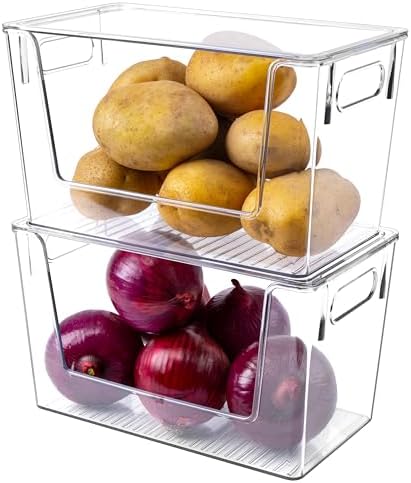
Shallow bins instead of deep ones were a turning point. Deep bins hide food in layers, which means I forget what’s underneath and rebuy things I already own.
Shallow bins force a single visual plane. Nothing disappears. If it doesn’t fit, it doesn’t belong there which quietly prevents overbuying without willpower.
A product that worked for me here was clear shallow storage bins (search Amazon for “clear shallow pantry bin 4 inch”). They’re not fancy, but they do exactly what they’re supposed to: make everything visible at a glance and that’s the whole point.
I also removed lids from snack bins entirely, and this mattered more than I expected. Lids add one extra step, and one extra step is often enough for my brain to say “later” and walk away.
Open bins mean snacks get put back instead of left on the counter and not because I’m trying harder, but because the system isn’t fighting me.
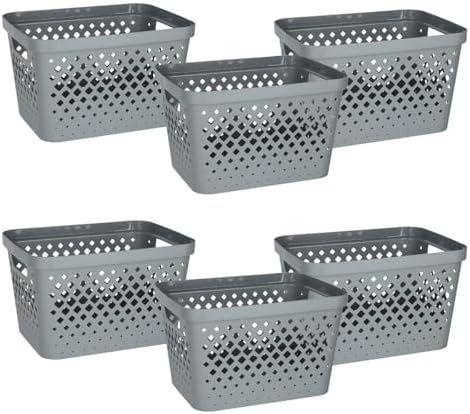
For this, you can use open-top snack bins (search Amazon for “open top pantry bins”). They’re simple and easy to grab from, and they feel more forgiving than closed containers. You can check some great options here:




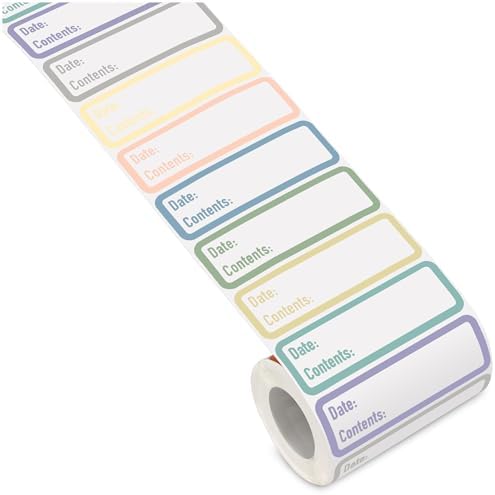
Keeping scissors and a marker inside the pantry eliminated a surprising amount of friction. I used to think labeling required a whole project. Now, if something needs a quick note (“gluten-free,” “kid snacks,” “eat first”), I can do it in five seconds without leaving the space.
A small but game-changing combo is a chisel-tip marker + removable label tape (search Amazon for “removable label tape for pantry”). I keep them in a tiny cup inside the pantry so they’re always available no extra steps, no excuses.


Another quiet win was letting duplicates live together, even when it looks “messy.” Storing backups elsewhere sounds logical, but it creates object permanence issues.
When all duplicates are visible in one place, I stop accidentally buying a fourth jar of the same thing. The pantry looks fuller and brain feels calmer.
For duplicates, a medium open-top storage bin (search Amazon for “medium storage bin open top”) works well. It keeps everything in one place without making the pantry feel like a museum.
One more thing that helped: no stacking inside stacking. Bags inside bins inside baskets inside shelves is a recipe for overwhelm. One container per category. One layer deep whenever possible. If that means less food fits, that’s information not a failure.
This is where clear stackable containers can be useful, but only if you’re actually using them.
For me, wide-mouth airtight containers (search Amazon for “wide mouth airtight food storage container”) only make sense for staples I reach for daily, like oats or rice. Otherwise, it becomes a chore to maintain.
FAQs About Food Pantry Organization
How often should you reorganize a pantry?
Only when it stops working. Maintenance systems shouldn’t need frequent resets.
Are airtight containers necessary?
Only for foods that benefit from them. Not everything needs decanting.
What’s the best pantry setup for renters?
Modular shelves, bins, and door organizers. No permanent changes.
How do you stop pantry bugs?
Seal vulnerable foods, clean spills quickly, and avoid cardboard storage.
Is a minimalist pantry realistic?
Yes if minimal means intentional, not empty.Do labels really help?
They help when they reduce decisions. Otherwise, they’re decoration
Final Thoughts: Calm Comes From Systems, Not Perfection

My pantry isn’t Instagram-perfect. It doesn’t need to be. What it is now is calm, functional, predictable. I don’t panic-buy. I don’t lose food. I don’t dread opening the door.
If there’s one thing I hope you take from this, it’s this: Good pantry organization should make your life easier, not give you another job.
Start small. Fix friction. Let the system grow with you. That’s how it finally worked for me.