
This post may contain affiliate links. If you purchase through these links, I may earn a small commission at no extra cost to you.
I’ll say this up front: most “Japanese kitchen overall design” content online is misleading if you live in an American apartment or small house.
It assumes tiny appliances, different cooking habits, fewer groceries, less packaging, staright lines, natural tones and a level of minimalism that collapses the second real life shows up. Kids, takeout containers, air fryers, Costco-sized trash bags none of that is accounted for.
Don’t get me wrong, I love Japanese interiors, and this made me to borrow heavily from them. But I’ve also made mistakes trying to copy things that simply don’t translate.
I wrote this guide is for people like myself who love the calm, intentional feeling of Japanese kitchens but still live with American appliances, open floor plans, limited square footage, and everyday mess. No remodel required. No aesthetic suffering required either.
- Why Most Japanese Kitchen Design Advice Doesn’t Work in American Homes
- Materials That Make Japanese Kitchens Feel Calm (And Which Don’t Age Well)
- Japanese Kitchen Design for Renters (What Actually Works Without Remodeling)
- Japanese vs Japandi Kitchens — What People Confuse And How to Choose
- Layouts That Work Best for Small American Kitchens
- How Japanese Kitchens Use Light to Make Small Spaces Feel Bigger
- Japanese Kitchen Cabinets And Why Fewer Cabinets Work Better
- How to Find Japanese Kitchen Utensils and Cookware in the US (What Actually Works)
- Smart Storage Solutions Japanese Homes Rely On
- Where to Buy Minimalist Japanese Kitchen Cabinets Online
- Cultural Details Worth Borrowing (And Which Don’t Translate Well)
- What I’d Do Differently Designing This Kitchen Again
- Common Mistakes That Ruin Japanese-Inspired Kitchens
- Frequently Asked Questions About Japanese Kitchen Design
- Final Thought
Why Most Japanese Kitchen Design Advice Doesn’t Work in American Homes

The biggest mistake I made was thinking that Japanese kitchen design is about how things look when in reality it’s not. It’s about how friction is removed from daily routines.
What I found out is that Japanese kitchens are designed to reduce decision-making, fewer surfaces to clean, fewer objects competing for attention. Clear zones where things belong.
One rule that matters more than anything: everything visible must earn its place, and I don’t mean hiding everything. It means anything left out should either be used daily or bring calm instead of visual noise.
Another rule I added into my kitchen inspired by japanese kitchen is vertical thinking. Japanese kitchens don’t sprawl, but they stack. Walls do work. Corners do work. Dead space above appliances is rarely wasted.
And finally, I noticed a strong emphasis on resetting the space quickly. A Japanese kitchen is meant to look calm again five minutes after cooking not perfectly styled, just settled. That mindset changes how you choose storage, trash placement, and materials.
Materials That Make Japanese Kitchens Feel Calm (And Which Don’t Age Well)

I saw that a lot of blogs romanticize raw wood, light stone, and paper-like textures without talking about how they hold up, here’s the truth: Japanese kitchens prioritize surfaces that age quietly, not ones that stay pristine.
What actually works in American homes:
- Wood veneers with a matte seal (not raw wood)
- Laminates that mimic wood grain without shine
- Stainless steel for sinks and prep areas
- Matte tile or quartz with subtle movement
What usually doesn’t age well here:
- Untreated wood near sinks
- Concrete countertops (they stain and chip)
- Ultra-light stone with high contrast veining
- Anything glossy that shows fingerprints immediately
I’ve learned this the hard way: calm comes from predictable wear, not delicate beauty. Japanese kitchens accept aging but they design for graceful aging, not constant upkeep.
In my last kitchen, switching from glossy cabinet fronts to matte laminate reduced visible fingerprints by 80% which mattered more than how ‘natural’ the material looked.
If you’re renting or on a budget, IKEA’s matte cabinet fronts and wood-look laminates are honestly closer to Japanese practicality than many high-end options.
Japanese Kitchen Design for Renters (What Actually Works Without Remodeling)

If you’re renting, this is where most Japanese kitchen advice completely falls apart because it assumes you can rebuild cabinetry, change counters, or install custom storage. I couldn’t do any of that, so I had to think differently.
What helped me was realizing that Japanese kitchen design isn’t about built-ins it’s about behavior support.
The biggest renter-friendly changes I made:
- I stopped fighting the cabinets I had and focused on what happens after cooking
- I added drawer organizers, shelf risers, and vertical dividers instead of new furniture
- I treated the kitchen like a system that needs to reset quickly, not look perfect
For example, I used:
- IKEA VARIERA drawer inserts (cheap, adjustable, renter-safe)
- Clear stackable containers from Amazon (OXO-style or generic, not aesthetic jars)
- Adhesive hooks inside cabinet doors for tools I use daily
None of this required drilling. None of it was permanent. But it completely changed how calm the kitchen felt after use.
If you rent, my advice is to optimize what you touch every day, not what you wish you could replace, that’s very Japanese in spirit even if the cabinets stay American.
Japanese vs Japandi Kitchens — What People Confuse And How to Choose

I love Japanese kitchens, they are about utility-first calm. Japandi kitchens are about aesthetic balance between Scandinavian softness and Japanese restraint.
I love to cook and the Japanese design principles serves me better. But if your kitchen is more visual than functional, Japandi might feel easier.
Here’s the confusion point: Japandi kitchens often add texture, decor, and contrast that Japanese kitchens intentionally avoid and that’s fine unless you’re working with a small space.
In small American kitchens, Japandi elements can tip into clutter fast. Extra stools, open shelving, layered lighting it looks great online and feels busy in real life. My advice: borrow Japanese layout logic, then layer Japandi warmth sparingly if you want it, then you can have the best of the two worlds.
Layouts That Work Best for Small American Kitchens

I’ve found that galley kitchens actually work incredibly well with Japanese design, even though people tend to dismiss them. When everything is within arm’s reach, you cook faster, clean faster, and the space feels calmer because you’re not walking back and forth constantly. It’s efficient in a quiet way.
L-shaped kitchens work too, but only if you resist the urge to fill every corner with something. Corners are tempting, but overloading them usually creates awkward dead zones that collect clutter. Leaving a little breathing room often makes the kitchen feel bigger than squeezing in one more cabinet ever will.
What almost always causes problems is forcing an island into a space that doesn’t want one. I get why people want them more counter space sounds great but in small kitchens they often block movement and make everything feel tight. Japanese kitchens care more about clear paths than extra surfaces. Being able to move easily matters more than having another place to drop things.
One rule I found out that I follow religiously now: if opening the fridge blocks a main walkway, the layout isn’t working. It might look fine in a plan, but living with that frustration every day wears on you faster than you expect.
I love that japanese kitchens also keep tasks clustered tightly. Prep stays near the sink. Cooking stays near prep. Storage lives where items are actually used. You’re not crossing the room for basics, and that alone cuts down on visual and mental clutter.
Even in open floor plans, Japanese kitchens are treated as a contained zone. They don’t spill visually into the living space. Finishes stay consistent, clutter stays controlled, and the kitchen feels like part of the home not the loudest thing in it.
If pastel vibes are totally your thing, you’ll love my post on Beautiful Pastel Apartment Decor Ideas That’s TikTok-Approved & Low-Cost. It’s full of friendly hacks that make your space feel dreamy without blowing your budget.
How Japanese Kitchens Use Light to Make Small Spaces Feel Bigger

When I started documented for this post I paied close attention to Japanese kitchens lighting, and I realized the lighting was doing something different. Nothing flashy. Nothing dramatic. Just an even, gentle glow that makes the kitchen feel calmer the longer you’re in it.
Overhead lighting is diffused, not spotlighted. Under-cabinet lighting is functional, not decorative. Shadows are minimized.
Based on this I can translate that in American kitchens we can use these:
- Warm-neutral bulbs (not yellow, not blue)
- Under-cabinet LED strips with diffusers
- Avoiding statement pendants in small spaces
In this type of kitchens natural light is treated as part of the design, not an accessory. Window coverings are minimal and frosted film is often used instead of heavy treatments. I like that light is treated more like a wellness thing, its role is to reduce visual fatigue.
Japanese Kitchen Cabinets And Why Fewer Cabinets Work Better

I know that this kinda sounds counterintuitive, especially in American homes where storage anxiety is real, this is why Japanese kitchens don’t maximize cabinet count, instead they maximize cabinet usefulness.
Fewer cabinets mean:
- Less forgotten clutter
- Easier cleaning
- Faster resets
Tall cabinets that go to the ceiling outperform multiple short ones. Deep drawers outperform lower cabinets with shelves.
What I’ve done and worked was to remove doors from existing cabinets form one section of the kitchen, this alone dramatically improved function without renovation for me.
How to Find Japanese Kitchen Utensils and Cookware in the US (What Actually Works)

One thing I had to unlearn early on was the idea that I needed “Japanese cookware sets” to get this right. You really don’t. In fact, most of the sets marketed that way are overpriced and end up giving you tools you rarely use.
What I discovered was that Japanese kitchens are built around individual, hardworking tools, not matching collections, and that’s the part most blogs skip.
Here’s what’s actually worked for me in the US. For everyday utensils, I’ve had surprisingly good luck with IKEA’s bamboo and stainless steel tools. They’re not marketed as Japanese, but they follow the same logic: lightweight, simple shapes, nothing extra.
If one gets damaged or stained, you don’t feel guilty replacing it which matters more than people admit.
If you’re looking online, especially on Amazon, I skip anything labeled as a “Japanese kitchen set” or “Zen cookware bundle.” Those are usually style-first, function-second. Instead, I search for things like “minimalist stainless steel ladle” or “wooden rice paddle” and buy pieces individually.
If you’re looking for practical examples, a few everyday items make this easier to picture.

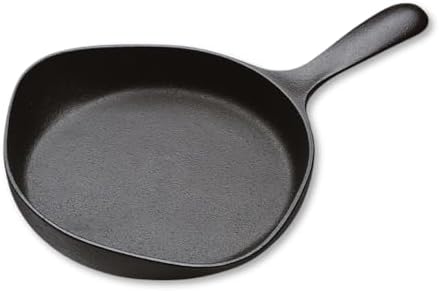


Another things that helped me was reading customer photos helps more than product descriptions here.
For more authentic-feeling pieces, there are a few Japanese brands that are easy to find in the US if you buy one item at a time. Tojiro and Kai (Seki Magoroku) are solid for knives if you want something reliable without going full collector mode. Hario is great for glassware and kettles. Yoshikawa makes simple stainless steel kitchen tools that feel very “quiet” and durable.
The big thing I avoid now is buying full cookware sets Japanese or otherwise. Large sets take up drawer space, force you to store things awkwardly, and lock you into tools you didn’t choose. Japanese kitchens grow slowly. You add a pot because you need it, not because it came in a box.
A small hack that made a real difference for me: I keep only what fits comfortably in one drawer per category. If I can’t close the drawer easily, something goes. That rule alone keeps the kitchen lighter and more usable.
What I love is that this brings authenticity for show. It’s choosing tools that feel good in your hand, do one job well, and don’t make cleanup harder than it needs to be. When you shop that way, the kitchen naturally starts to feel more Japanese without trying to look like one.
Smart Storage Solutions Japanese Homes Rely On

The biggest storage lesson I learned from Japanese kitchens is visibility without chaos, this means clear containers, uniform shapes vertical stacking, labels that fade into the background. I like how trash is hidden but accessible while recycling is separated.
Here is a thing I didn’t know and ignore: trash placement matters more than spice storage. If trash is awkward, clutter builds instantly.
Practical options don’t have to be complicated. Pull-out trash systems, slim bins that fit between cabinets, or basic under-sink organizers work well as long as trash, recycling, and compost each have their own clear spot.
These setups don’t need to be custom or expensive. What I did was to saerch on Amazon for something like “under-sink trash organizer” or “slim kitchen recycling bin” and picking one that fits my space, not the one that looks the best.
Where to Buy Minimalist Japanese Kitchen Cabinets Online

I knwo that true Japanese cabinets are rare in the US, but there are some tips that you can use to get that feeling.
IKEA’s Sektion system with flat-front matte doors is still one of the most realistic options. It’s not Japanese, but the proportions and simplicity line up well. I pair it with either very slim pulls or no hardware at all, depending on the layout.
Some online retailers sell minimalist slab cabinets, but this is where people get tripped up: check the cabinet depth. Many Japanese kitchens use shallower cabinets than standard American ones, especially on upper walls. Deep cabinets feel storage-heavy and visually loud in small spaces, even if the style looks right in photos.
One thing I avoid completely now is anything heavily marketed as “Zen” or “Japanese-inspired luxury.” That language usually signals aesthetic markup without functional benefit. If the product description spends more time talking about mood than giving exact dimensions, materials, and drawer specs, I take that as a warning.
Here’s the rule that actually changed how I shop: when you’re searching, use measurements, not styles. Instead of typing “Japanese kitchen cabinets,” I search things like “18-inch deep upper cabinets,” “flat-panel matte kitchen cabinets,” or “handleless slab cabinet doors.” That pulls up options that function more like Japanese kitchens, even if they’re not branded that way.
My general rule now is quite simple,cabinets should disappear into the space, not compete with it. When cabinets stay visually quiet, the whole kitchen feels calmer and that’s much closer to how Japanese kitchens actually work in real life.
Cultural Details Worth Borrowing (And Which Don’t Translate Well)

What You Should Borrow:
- Simplicity
- Function-first layouts
- Respect for daily rituals
- Calm over decoration
And What You Should Skip:
- Floor seating near cooking areas
- Extremely low counters
- Ultra-minimal storage expectations
Cultural context matters here, and you should try and borrow japanese kitchen principles, don’t practices wholesale, as it may now work for your kitchen.
What I’d Do Differently Designing This Kitchen Again

If I were starting over, the very first thing I’d plan before cabinets, before finishes, before anything aesthetic is trash. I didn’t realize how much it would affect my day-to-day until I was living with a setup that wasn’t quite right. When trash, recycling, and compost don’t have an easy, obvious place, clutter shows up everywhere else.
I’d also simplify finishes even more. Mixing materials sounds good in theory, but in a small kitchen it adds visual noise fast. Fewer finishes means fewer decisions, fewer things to clean differently, and a calmer overall feel. If I had to choose again, I’d pick one main cabinet finish and one countertop and let them do their job quietly.
Drawers would win over cabinets almost every time. I underestimated how much easier drawers make daily life. You see everything at once, nothing gets lost in the back, and putting things away takes less effort. Cabinets aren’t bad, but drawers are far more forgiving when you’re tired or in a rush.
The biggest mindset shift I’d make is letting go of “perfect” minimalism. I used to think the goal was for the kitchen to always look untouched. That’s not realistic. What matters more is how quickly the kitchen feels okay again after cooking. Can you wipe the counter, put a few things back, and feel calm within five minutes? That’s the real measure of success.
Common Mistakes That Ruin Japanese-Inspired Kitchens

The biggest mistake I see is trying to make a kitchen look Japanese instead of making it function the way Japanese kitchens do. Visual cues without practical thinking almost always fall apart in daily use.
Open shelving is another trap. A little can work, but too much turns into visual clutter fast, especially in small spaces. If everything on the shelf has to be styled perfectly to look good, it’s probably not going to stay that way for long.
Delicate materials are also a problem. Untreated wood, easily stained surfaces, and high-maintenance finishes don’t leave room for real life. Japanese kitchens value calm because they’re designed to handle use, not avoid it.
And finally, a lot of people forget that calm isn’t a fixed state. It’s something you return to again and again. A good Japanese-inspired kitchen doesn’t stay perfect it recovers quickly. When you design for that, the space starts working for you instead of demanding constant attention.
Frequently Asked Questions About Japanese Kitchen Design

What actually makes a kitchen feel “Japanese”?
For me, it’s not the look, it’s how the kitchen behaves. A Japanese-style kitchen is calm because it removes friction. Clean lines help, but what matters more is that everything has a reason to be there. Less visual noise, fewer decisions, and a space that resets quickly after you cook.
Does this style really work in small American kitchens?
Honestly, it works especially well in small American kitchens. Japanese kitchens are built around tight spaces, vertical storage, and keeping tools close to where you use them. Once you adapt those ideas for American appliances, the kitchen usually feels easier to live in, not more restrictive.
What materials actually hold up in real life?
The best materials are the ones that age quietly. Matte laminates, wood veneers with sealant, stainless steel around sinks, and subtle stone or quartz all do well. I avoid glossy finishes and untreated wood near water they look great at first and become annoying fast.
Japanese vs Japandi — which one should I choose?
If you care more about function, go Japanese first. If you care more about warmth and visuals, Japandi can work just lightly. In small kitchens, too much texture and decor (which Japandi often adds) can start to feel busy. I prefer Japanese layout logic, then borrowing warmth sparingly.
Is open shelving actually practical?
It can be, but only for things you use daily. I treat open shelves like a test: if something lives there, it should earn that visibility. Everything else goes behind doors or in drawers. That balance is what keeps the kitchen from feeling cluttered.
What layout works best?
Galley and L-shaped kitchens work best, hands down. They keep prep, cooking, and cleaning close together, which cuts down on movement and mess. Even in open floor plans, I’ve found it helps to treat the kitchen as a visually contained zone instead of letting it spill everywhere.
Do Japanese kitchens really have less storage?
Not less just better. Storage goes vertical, cabinets go to the ceiling, and drawers replace shelves. That means fewer forgotten items and less chaos. The goal isn’t minimal storage, it’s storage that actually gets used.
Is this realistic for renters or families?
Yes. That’s actually where it shines. You don’t need a remodel to make this work. Better trash placement, drawer organizers, fewer finishes, and calmer lighting can change how the kitchen feels almost immediately even in a rental.What’s the biggest mistake people make?
Trying to make the kitchen look Japanese instead of letting it function that way. When design choices don’t support real habits like cooking, cleaning, kids, mess the calm falls apart quickly.
Final Thought
A Japanese-inspired kitchen in an American home isn’t about copying another culture’s space. It’s about learning from how thoughtfully they reduce friction, clutter, and noise.
When you design for real life, the mess, the cooking, the interruptions calm stops being a style and starts being a feeling you can actually live with.
If your kitchen feels easier tomorrow than it did today, you’re doing it right.